

The answer
The short answer
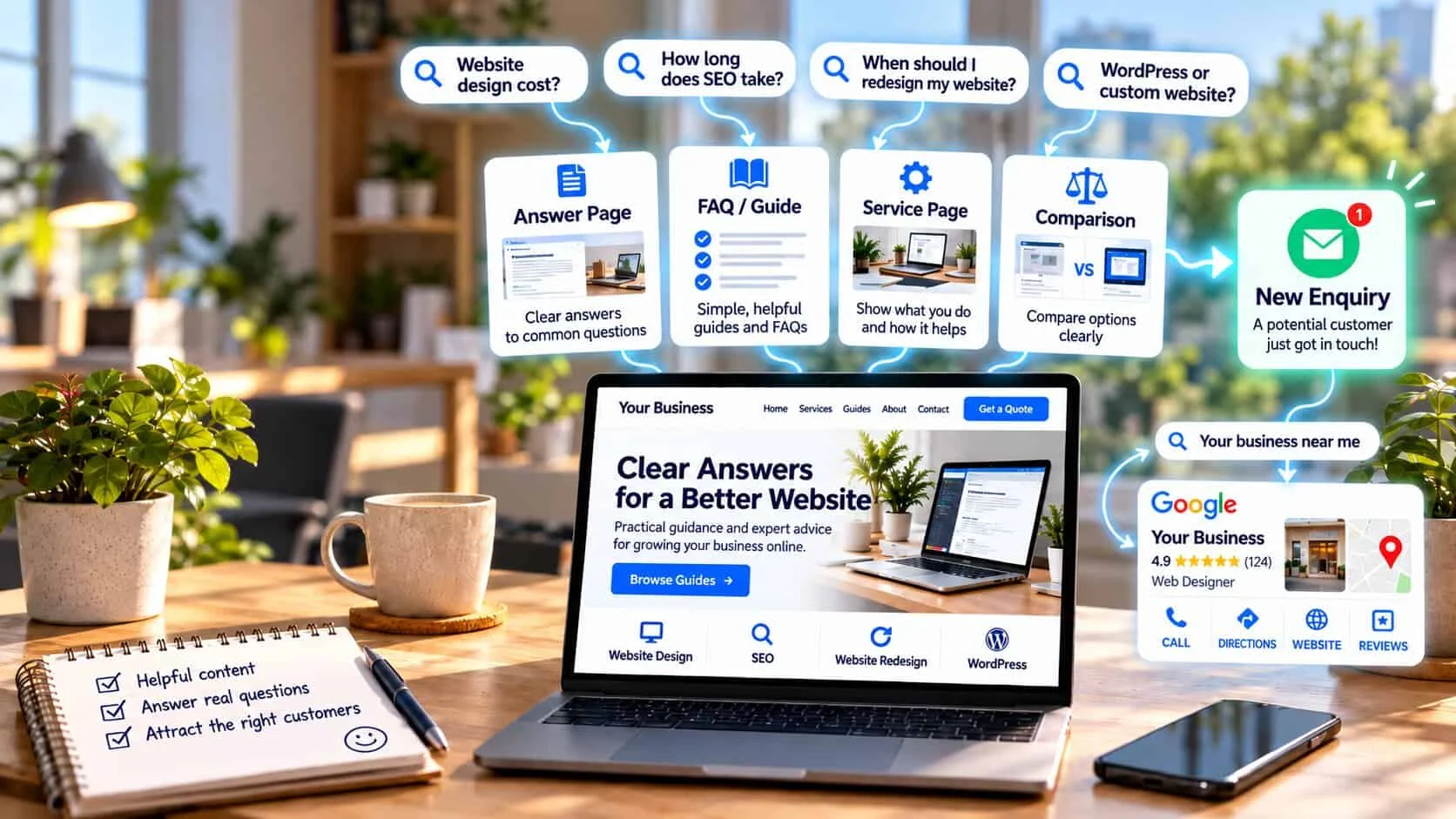
A blog helps a small business only when its posts answer things real customers type into Google. Posts about your news, greetings and promotions don’t — nobody searches for them, so Google has nothing to show them for.
So the real question is not “blog or no blog”. It is: do your customers search questions before they buy? If they do, a handful of good answer pages can bring enquiries for years. If they only search your business name or “near me”, your time is better spent on your Google Business Profile and reviews.
Either way, start with your service pages. A guide that links to a weak service page sends people somewhere that doesn’t convince them. Here is what a service page that converts needs first.
When it’s worth it
When a blog is worth it
Start one if most of these are true for your business:
Customers ask before they buy
They compare options, check prices or want to know how long it takes. Each of those questions can be a page.
You sell a considered service
Renovation, clinics, tuition, legal, B2B supply, weddings — anything people research for days, not seconds.
You can keep going for a year
One useful page a month, written by you or with help. Results usually take 3 to 6 months to show.
Your service pages are done
Each main service already has its own clear page. Guides then have somewhere good to send people.
Not sure if people search your questions? Type one into Google and look at “People also ask”. If Google shows related questions, people are searching.
When to skip it
When to skip the blog
Don’t start one — or stop the one you have — if these sound familiar:
Customers only search “near me”
Walk-in shops, food stalls and salons are found on Google Maps. Your Business Profile and reviews matter far more.
Your service pages are thin or missing
Fix those first. A blog won’t rank a site whose main pages don’t say clearly what you do, where and for how much.
You’d post news and greetings
Festive wishes, “we’re hiring”, new stock. Fine for Facebook, but nobody searches for them on Google.
Nobody will write after month two
A blog whose last post is from 2023 makes the whole business look closed. No blog is better than a dead one.
Blog posts vs guides
The kind of post that works: guides, not diary posts
Same blog, two very different kinds of post. Only one of them brings customers from Google.
| Diary-style blog post | Guide page | |
|---|---|---|
| Example | “Happy Hari Raya from our team!” | “How much is a custom birthday cake in Melaka?” |
| Who searches for it | Almost nobody | People about to buy |
| How long it stays useful | A week | Years, if you update it |
| Where it leads | Nowhere | Your service page and WhatsApp |
| How often you need one | Every week, or it looks dead | One a month is plenty |
| Verdict | Rarely worth it | Worth it |
If a topic would only interest people this week, put it on Facebook or your WhatsApp status. If someone might search for it next year, it belongs on your website. More on what goes where in Facebook page vs website.
The routine
How to start, if it’s worth it
You don’t need a content plan or a writer on day one. You need ten good questions.
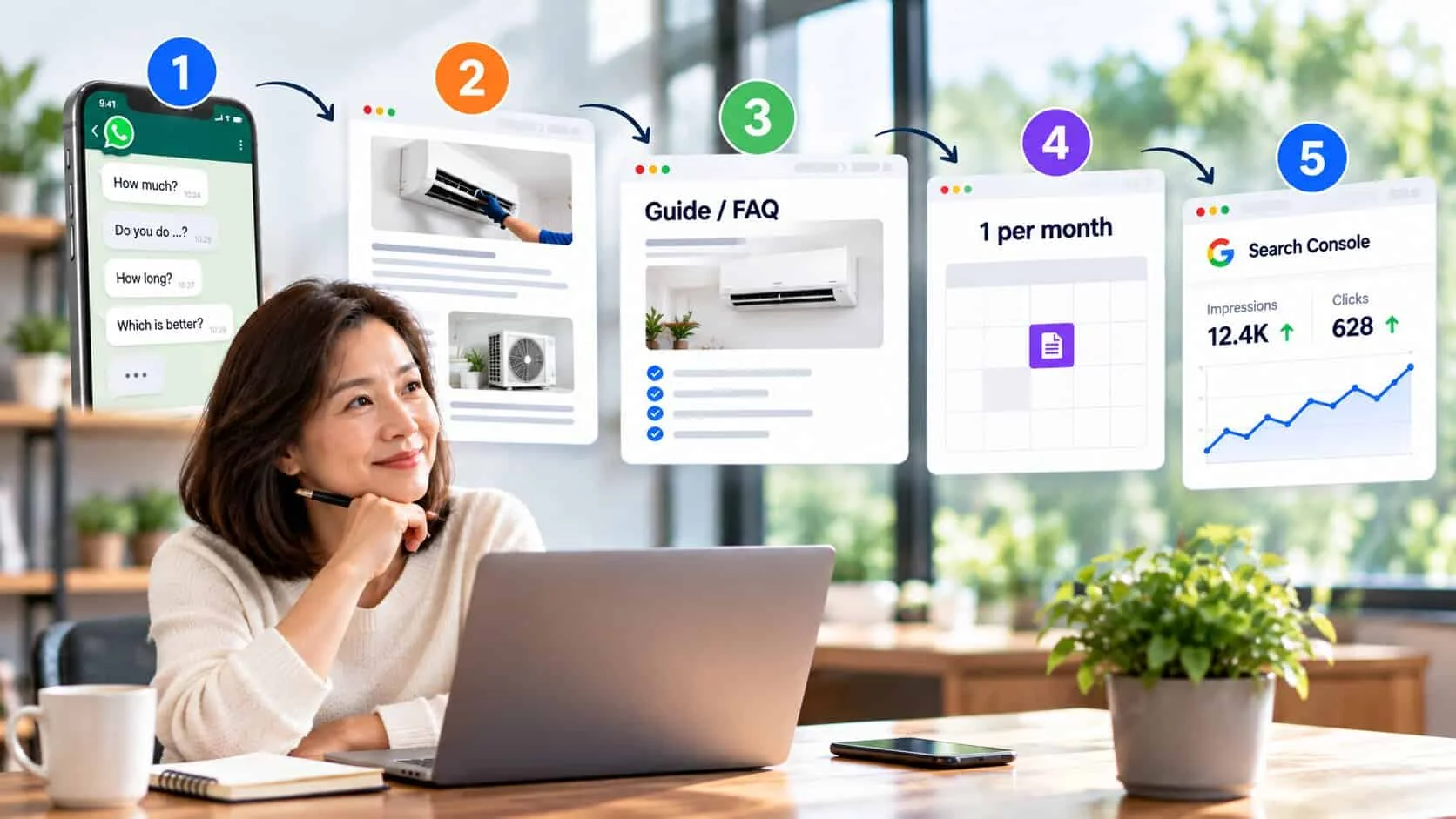
- 1
List the questions customers already ask
Scroll back through your WhatsApp chats and enquiry emails. Write down the 10 questions you answer again and again: prices, timing, “do you do…”, “which is better…”.
- 2
Write one page per question
Answer it fully, in plain words, with your real prices, photos and examples. Most buying questions need 800 to 1,500 words.
- 3
Link every page to a service page
Each guide should point to the service it relates to, and end with a clear next step — a WhatsApp button or a short form. A guide with no link to what you sell is just reading.
- 4
Publish one a month, then improve
One useful page a month is enough. When a page starts showing in Google, add to it rather than writing something new on the same topic.
- 5
Check after 3 months, not 3 days
Use the 10-minute monthly Search Console check to see which pages Google shows and for which searches. Expect impressions first, clicks later.
A worked example
My own numbers: what guides do for a new site
This website started its guides section in August 2026, and the guides follow exactly this approach: one page per question owners ask me. My most-shown page is not a service page. It is a guide answering one question.
Real Search Console numbers for why is my website not showing up on Google, the week of 14–20 October 2026.
Clicks are still small. The site is new and has few links from other websites, so most pages sit on page three to five for now. That is the normal early stage described in how long SEO takes.
The point: Google already shows a young guide hundreds of times a week for a question buyers ask. A news post would never get that.
Quick check: is a blog worth it for you?
5 questions · 30 secondsAnswer for your own business, honestly.
Blogging: owners’ questions
Does a blog help SEO for a small business?
Only when the posts answer questions people actually search. A page answering “how much does X cost in Melaka” can bring buyers for years. News posts and greetings bring almost nothing, because nobody searches for them.
How often should a small business post on its blog?
Once a month is plenty. Twelve useful guides in a year beat fifty-two short posts. Going quiet for a few months is fine if each page still answers its question well.
How long should a small business blog post be?
Long enough to answer the question fully and no longer. For most buying questions that is 800 to 1,500 words, with prices, steps or examples. A 300-word post rarely ranks.
Should I delete old blog posts that get no visits?
Improve the ones on a real customer question. Merge near-duplicates into one stronger page. Remove old news posts nobody reads, and redirect any that have links pointing to them.
Can I use AI to write my blog posts?
It can help with a first draft, but generic text won’t stand out. Add what only you know: your real prices, photos of your work, local details and the questions customers ask you. That is what makes a page worth ranking.
Keep reading
Getting found on Google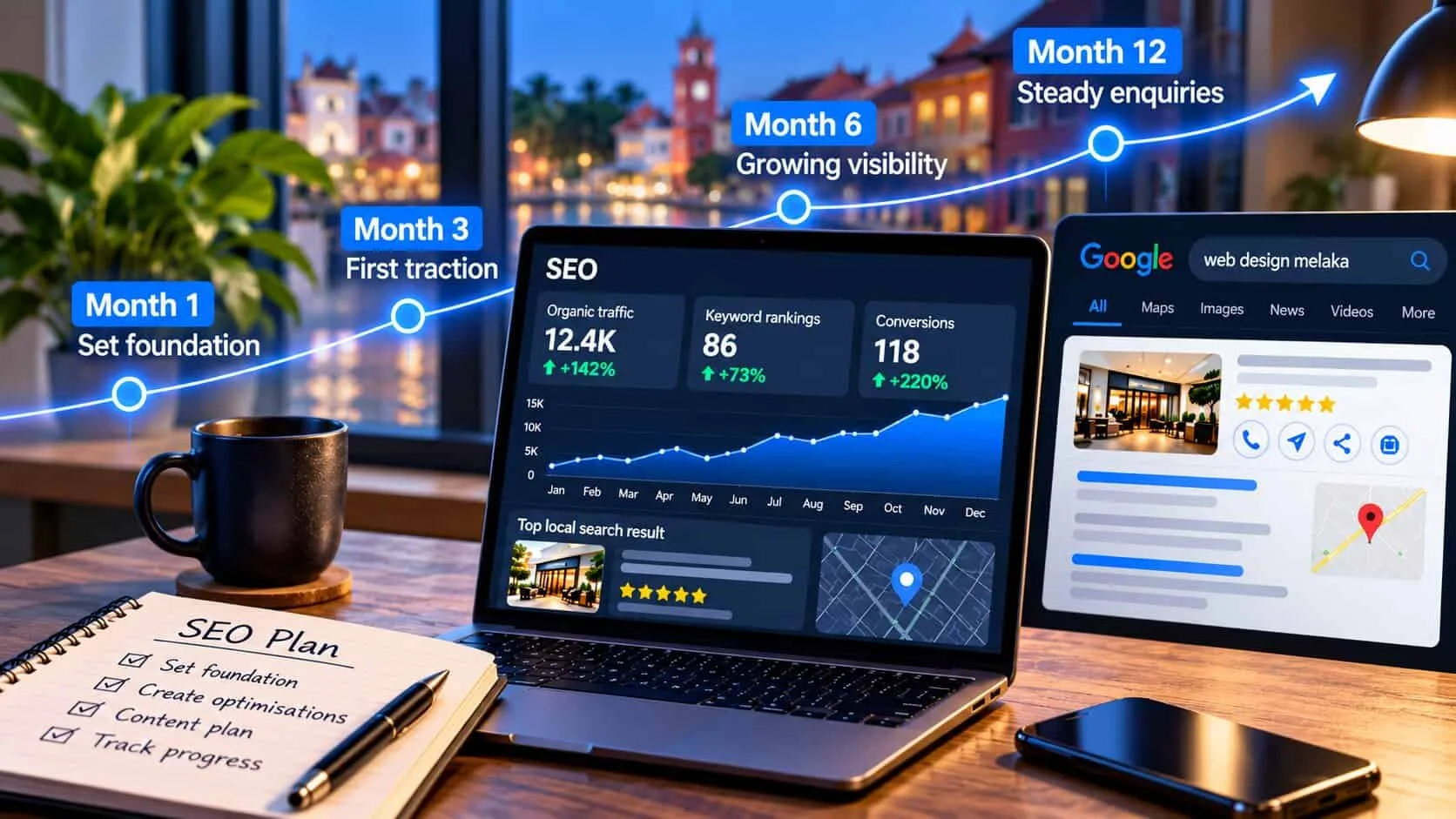
SEO timing
How long does SEO take for a small business?
Month by month, what speeds it up, and signs it’s working.
Search Console
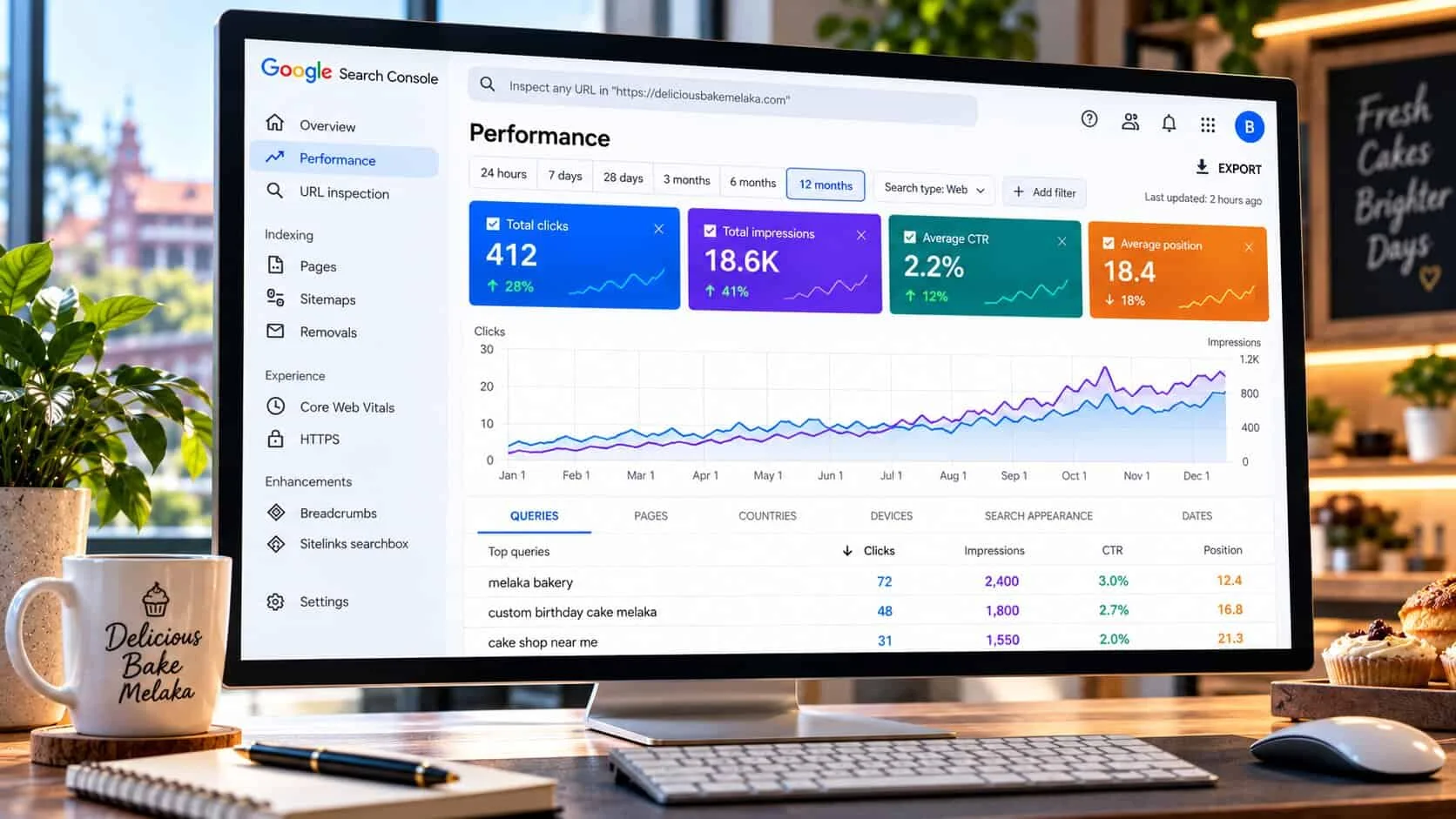
Google Search Console: a 10-minute monthly check
The 4 numbers, 5 checks in order, and when to worry or wait.

SEO basics
SEO basics for owners who don’t want to learn SEO
What to do yourself, what to pay for, and the myths to ignore.